Power conductors are essential components in Nigeria’s construction sector. From industrial setups to power distribution networks, the right cable choice guarantees safety. Understanding rates, kinds, and trusted suppliers helps buyers make informed decisions.
NaijaSpider acts as a reliable source where users can connect with verified suppliers across Nigeria. Whether you need cables for large infrastructure, access to accurate pricing is essential.
Common Cable Types Available
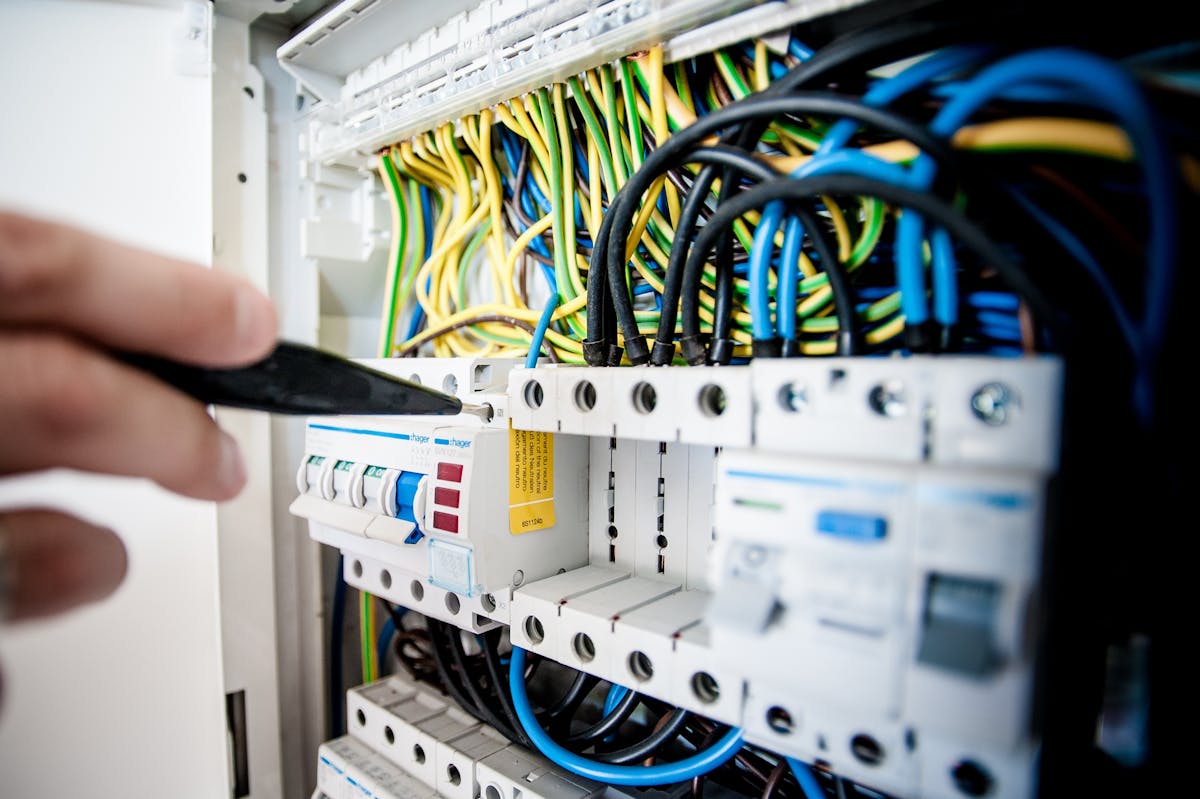
Multiple types of cables are available depending on usage and application. Choosing the right type reduces risks.
- Standard insulated cables – commonly applied for domestic wiring.
- Armoured cables – ideal for underground installations.
- Soft wires – used for appliances and movable equipment.
- High voltage cables – built for power distribution.

Cost of Electrical Wires
Costs of electrical cables in Nigeria vary based on material, gauge, and availability. Imported cables may be more expensive, while local options can be more affordable.
Typical price factors include:
- Copper vs aluminum affecting durability and conductivity
- Cable size
- Brand reputation
- Location and supplier
Using platforms like NaijaSpider allows buyers to evaluate costs across multiple suppliers before making a purchase.

Trusted Distributors
Finding the right supplier is as important as selecting the right cable. Reliable vendors ensure quality assurance. NaijaSpider connects users with reputable distributors across Nigeria.
- Bulk suppliers for large projects
- Local vendors for smaller needs
- Online platforms for convenience
- Certified suppliers for brand assurance
How to Choose the Right Cable
Selecting the right cable involves evaluating application, load capacity, and environmental conditions. Using the wrong cable can lead to safety risks.
- Verify capacity
- Ensure proper insulation
- Avoid substandard products
- Evaluate cost efficiency
By understanding your needs, you can avoid costly mistakes when purchasing electrical cables in Nigeria.